Rated 5 out of 5 stars
“They did an amazing job with my roof! It's been 7 years and even survived hurricane Helene!”
BG
Brittany Gordon

Licensed, insured, and on Harlem roofs since 2013. Free written inspection with photos, an exact quote, and most jobs finished in a single day.
No cost, no pressure, no sales script. A written report with photos, usually within 48 hours.
🔒 Your info stays with us, never sold, never shared. Answered by a real person in Aiken, not a call center.
Storms in western Columbia County have a habit of following the interstate, and Harlem sits directly in the lane. Helene proved it in September 2024, when the county took some of the worst roof damage in Georgia; the spring squall lines and summer pop-up cells prove it on a smaller scale most years. When one of them gets your roof, you’re suddenly managing three problems at once, water, paperwork, and strangers in your driveway, and the order you handle them in decides how the next two months go.
This page is the playbook we run for Harlem homeowners: how to spot damage, how the insurance process actually works, what Georgia law says about your deductible, and why the clock matters more than most people realize. The company behind it is CCY Roofing, family-owned, based in Aiken, on CSRA roofs since 2013, licensed in Georgia and South Carolina, with a 24/7 storm line answered by a person rather than a menu. Storm work is one piece of what we do here; the broader picture is on our roofing in Harlem page. After a storm, though, this is the piece that matters.
Every serious storm that crosses Columbia County is followed by a second wave: pickup trucks with out-of-state plates working door to door, offering free inspections, instant approvals, and roofs that “won’t cost you a thing.” Small towns like Harlem are their favorite ground, everyone’s rattled at the same time, everyone’s talking to neighbors about damage, and one signed driveway contract seeds a whole street.
Here’s what the pitch leaves out. The crew has no Georgia license you can verify, no local address you can knock on, and no intention of being findable when the shingles they slapped on start leaking in February. Some collect insurance checks and vanish before materials arrive. Others do fast, thin work that passes from the curb and fails at the first flashing line. And the “we’ll take care of your deductible” line, we’ll get to that below, because it’s not a discount, it’s a crime with your name near it.
The counter-move is boring and effective: hire a company that existed before the storm and will exist after it. We’ve had the same phone number since 2013, a real office in Aiken, and five-star reviews you can read.
The named storm everyone remembers is Helene, September 2024, trees through roofs across Columbia County, tarps on houses for months. Harlem escaped the worst of the treefall east of here, but the wind field didn’t skip town: creased shingle tabs, lifted flashing, ridge caps worked loose, fasteners backed out. Before that, the February 2014 ice storm broke pine limbs across the whole CSRA.
Between the named events, the routine damage comes from spring hail cells that ride the I-20 corridor, straight-line winds off summer thunderstorms, and the pecan and oak limbs that the older blocks around downtown Harlem donate to their roofs every squall season. The newer subdivisions west of town have their own exposure: open ground, young trees, nothing to break the wind before it reaches a gable end.
The dangerous category is the quiet damage. A creased tab or a lifted flashing leg doesn’t drip on anyone the week of the storm. It waits through a couple of dry months, then a heavy rain finds it. By then, connecting the leak to the storm takes documentation you may no longer have. Which is exactly why the inspection needs to happen early, whether or not anything is dripping.
You don’t need to climb anything, most of the tells are visible from the ground, and the ladder work is what the free inspection is for. After any serious blow through Harlem, walk the yard and look for: shingle tabs that appear creased, flipped, or missing, especially along ridges and edges; granules piling at downspout splash blocks like coffee grounds; metal ridge vents or flashing sitting crooked; dents in gutters, downspouts, or the soft metal of a mailbox, hail that dents metal has been working on your shingles too; and limbs of any real size resting on a slope, because a limb can crack decking without punching a visible hole.
Inside, check ceilings and closet corners on the top floor for new stains in the days after a storm, and put your nose in the attic if you can, damp insulation announces itself.
Find any of that, or just suspect it, and the next step costs nothing: we come out, walk the roof, and photograph what’s up there. If the damage is minor and repair-grade, we’ll say so, sometimes it’s a roof repair measured in hundreds, not a claim at all. If it’s storm damage worth a claim, the photos we just took become your evidence.
Storm claims go sideways when steps happen out of order. Run it this way:
Stop the water first. Active leak or open decking, we tarp it, properly anchored, photographed before and after. Insurers expect you to prevent further damage.
Inspect and document before filing. We put a roofer and a camera on the roof before you call your carrier. Filing first means guessing at scope; documenting first means your claim opens with evidence attached.
You open the claim. It’s your policy, the homeowner files, and legitimate contractors don’t pressure you to sign anything before that happens. We give you the photo report and the plain-English summary of what to tell them.
We meet the adjuster on the roof. This is the step that moves money. An adjuster walking a roof alone can miss creased tabs and lifted flashing; ours points at every documented item while they’re standing on it. In our experience, that’s the difference between a lowball and a fair scope.
Supplements if the scope comes up short. Approved claims sometimes miss items, decking, flashing, code-required upgrades. We file the supplement with documentation rather than eating the shortfall with thinner work.
You pay your deductible. That’s all. Approved claim, finished roof, often a full residential roof replacement, and your out-of-pocket is the deductible, period.
Georgia and South Carolina are both clear on this: when insurance pays for your roof, you are required to pay your deductible. A contractor who offers to “eat it,” waive it, or bury it in the paperwork is proposing insurance fraud, inflating the claim to cover the gap, and making you a participant in it.
Treat the offer as free information. A company willing to defraud your insurance carrier while standing in your kitchen has told you exactly how it’ll behave when your warranty claim comes in. In Harlem, where the door-knockers concentrate after every storm, this one question, “so what happens with my deductible?”, sorts the contractors from the tourists faster than any online review. Our answer is the legal one, every time, in writing.
Most policies give you about one year from the storm date to file, some less. That window does not care that your damage was the quiet kind. A Harlem homeowner whose creased tabs from a spring squall don’t leak until eighteen months later isn’t just facing a repair bill; they’re facing it alone, because the claim expired while the roof looked fine from the yard.
The fix costs nothing: after any major storm crosses Columbia County, get the roof inspected within weeks, not seasons. Helene taught the whole CSRA that lesson the hard way, homeowners who documented early got scopes approved; those who waited argued with carriers about causation. We run this same process across the region, documented on our storm damage & insurance restoration across the CSRA hub, and one town up the interstate at storm damage & insurance restoration in Grovetown.
If a storm just crossed Harlem, the sequence is simple: tarp if it’s leaking, photograph everything, inspect before filing, and never sign a contract on a doorstep. We’ll handle every step, from first tarp to finished roof, and an approved claim costs you your deductible and nothing more. Call the 24/7 storm line at (706) 250-1859, a real person in Aiken answers, or send the form and we’ll schedule the inspection. The storm-chasers are temporary. We’re not.
Storm Damage & Insurance Restoration anywhere on this map. CCY Roofing covers all of Harlem, GA and the surrounding communities.
From "is that a leak?" to done: most Harlem roofs in one day.
A CCY roofer (not a salesman) walks your roof and photographs everything, good and bad.
Repair, replace, or leave it alone: a written recommendation with an exact, itemized price.
Tarped landscaping, tear-off, install, and inspection. Most homes done before dinner.
Magnet-swept cleanup, final walkthrough with you, and your warranty documents in hand.
Your neighbors already checked our references.
Five-star work, reviewed by your neighbors from Aiken to Evans.
“They did an amazing job with my roof! It's been 7 years and even survived hurricane Helene!”
“Very dependable, honest, and elite professional crew. Highly recommend.”
“They were upfront about pricing with no surprises, showed up exactly when they said they would, and kept us in the loop.”
The proof is on the rooftops.
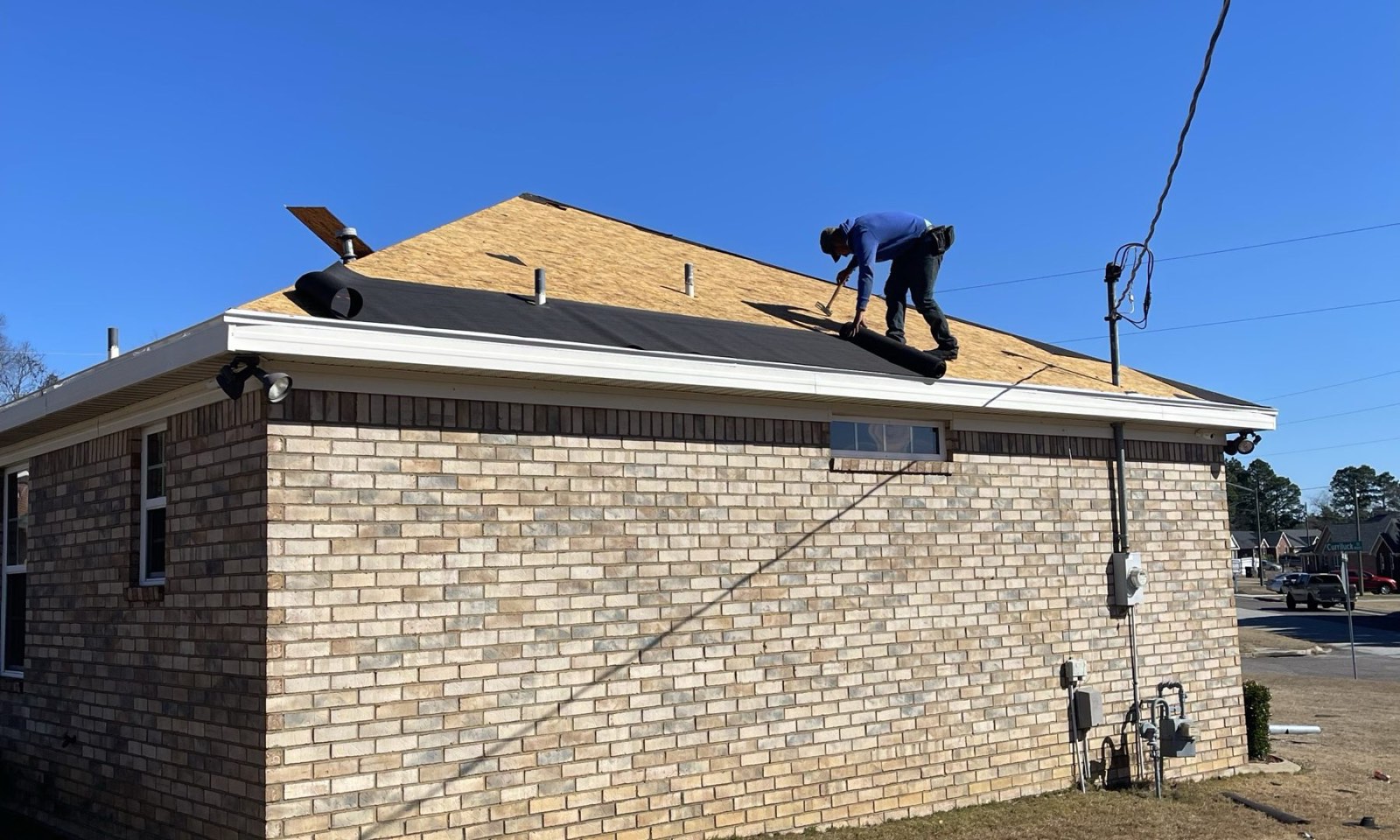
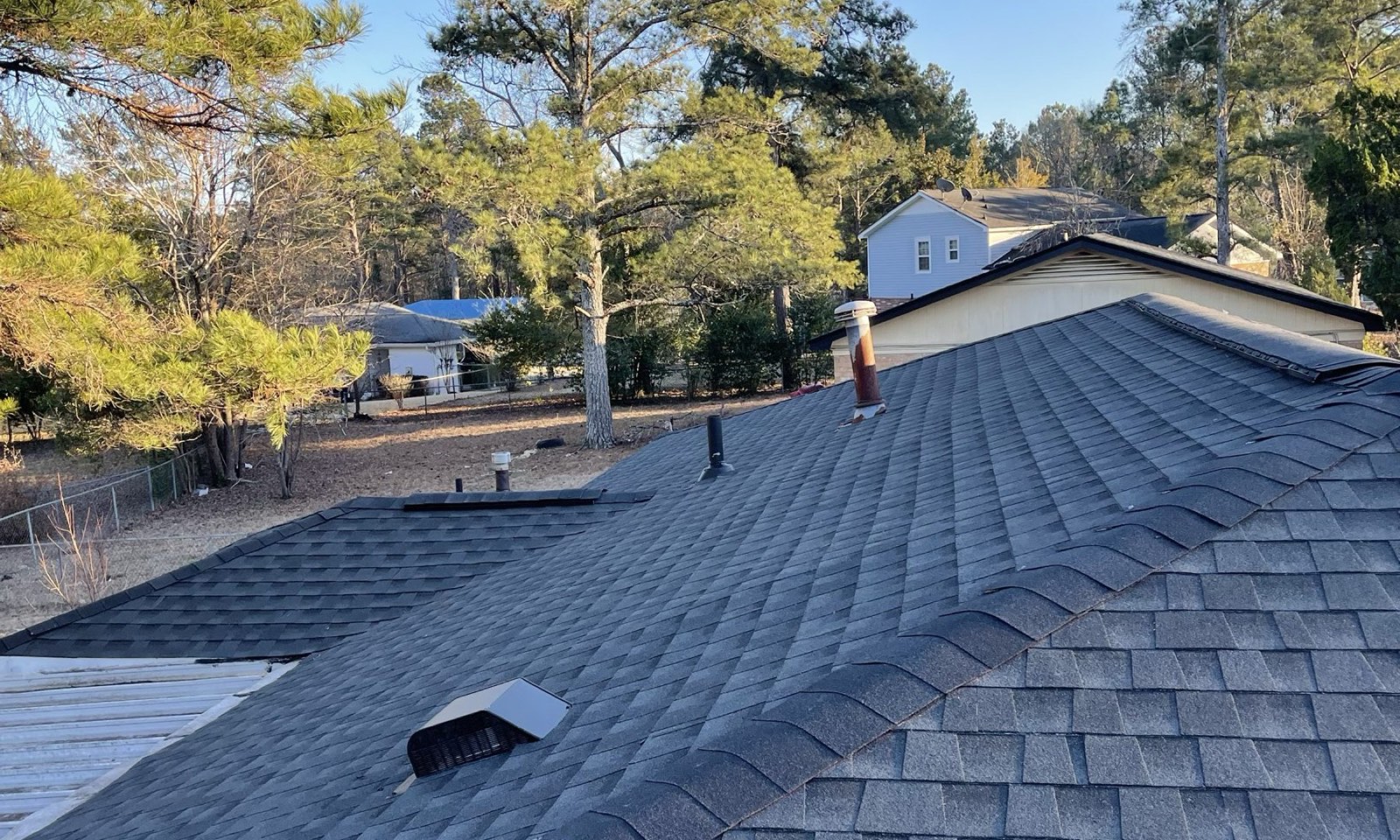
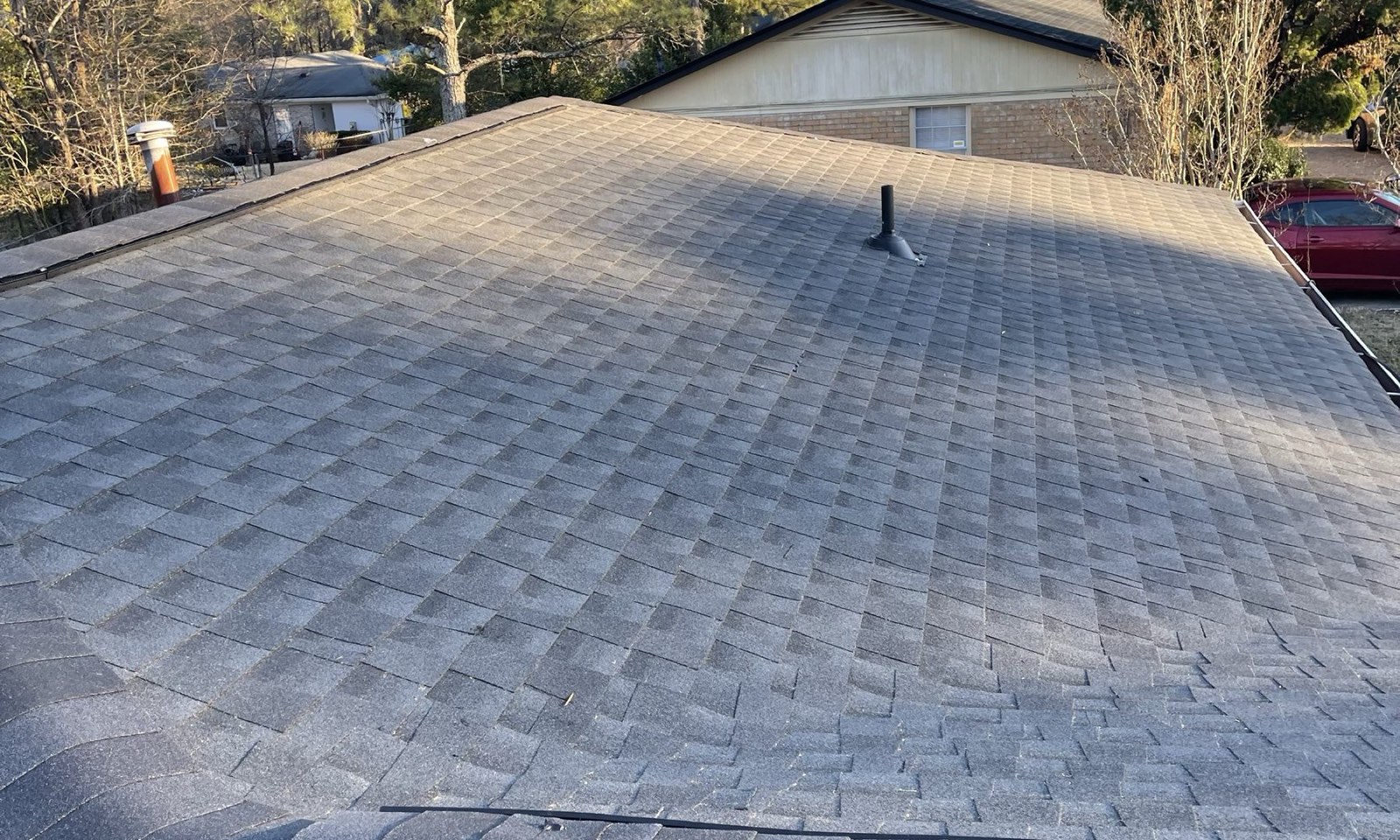
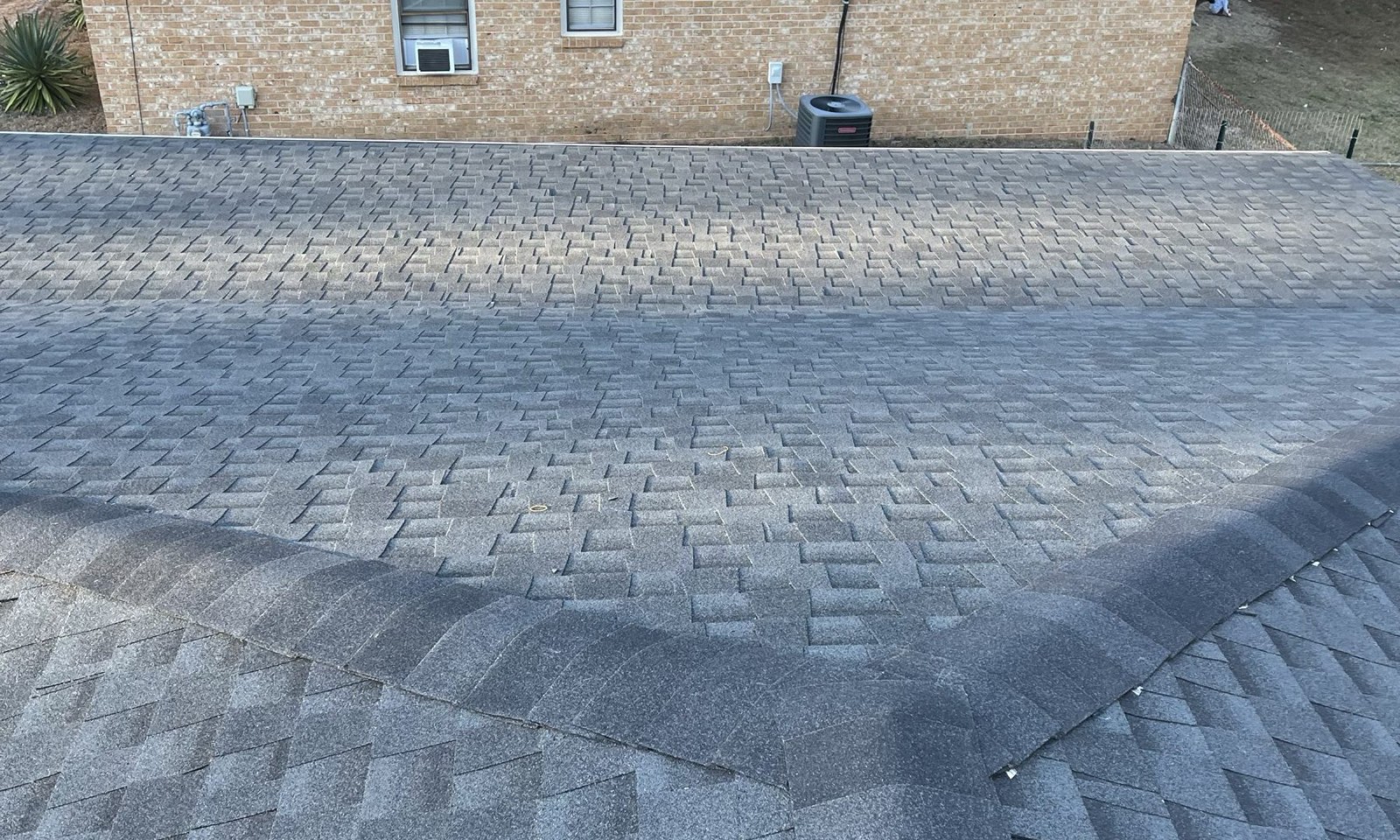
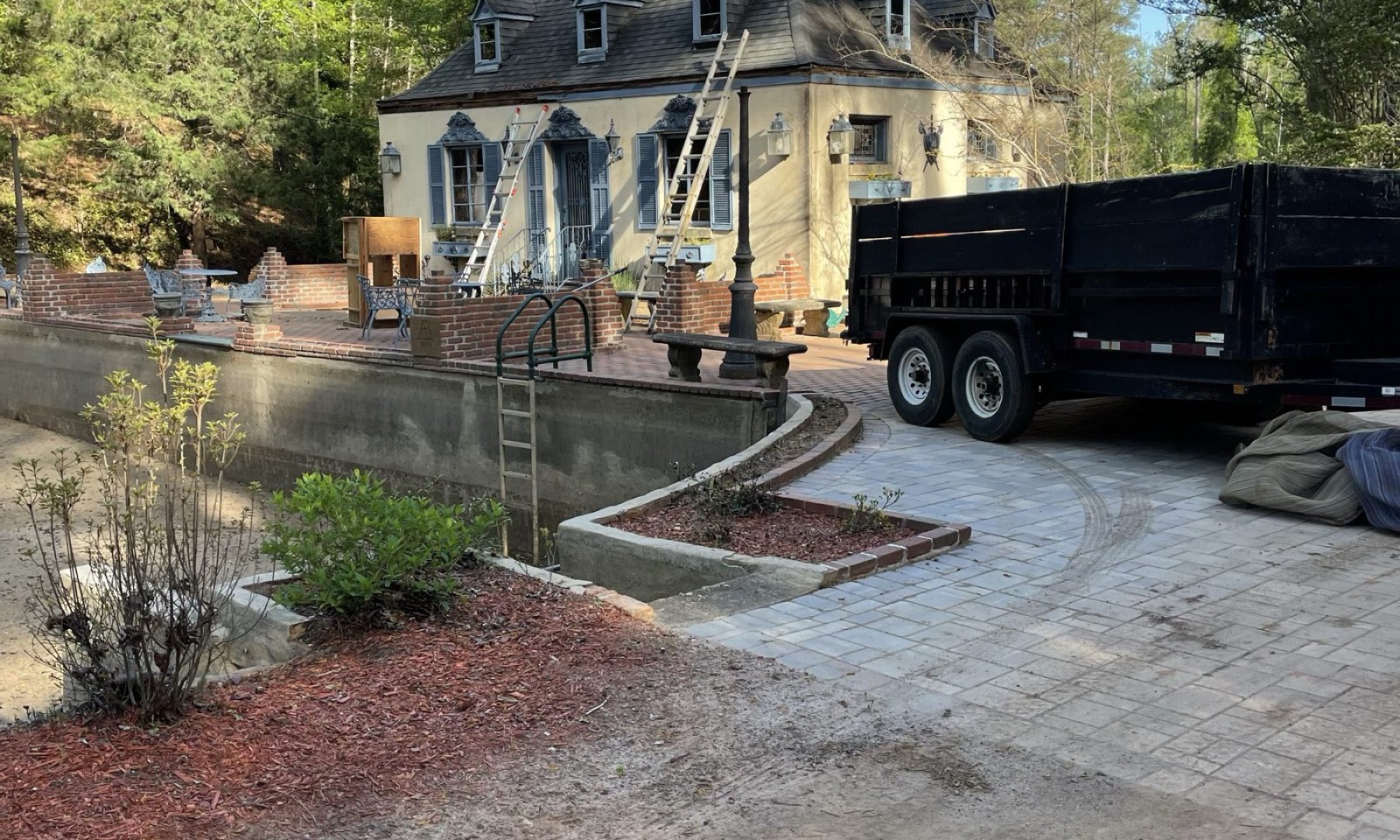
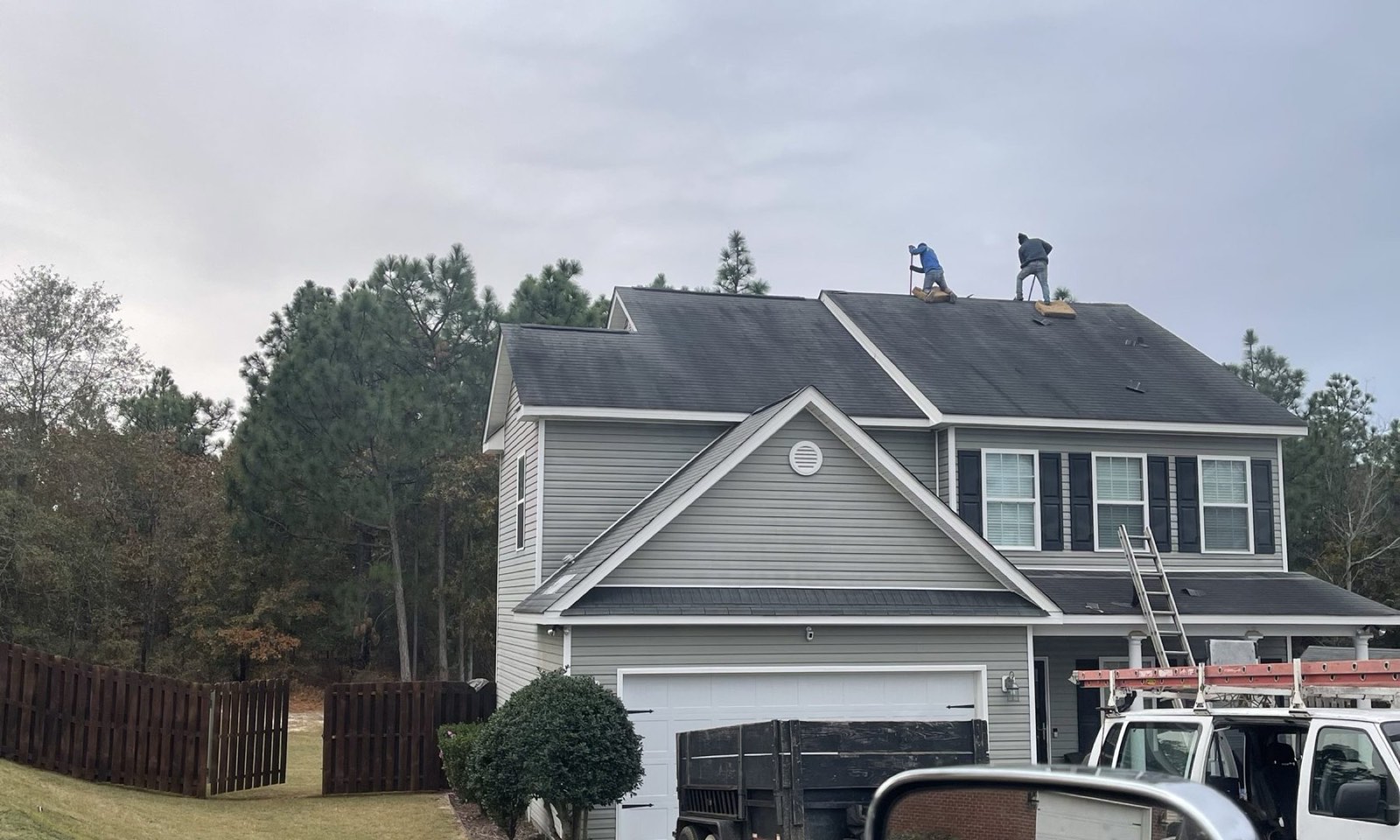
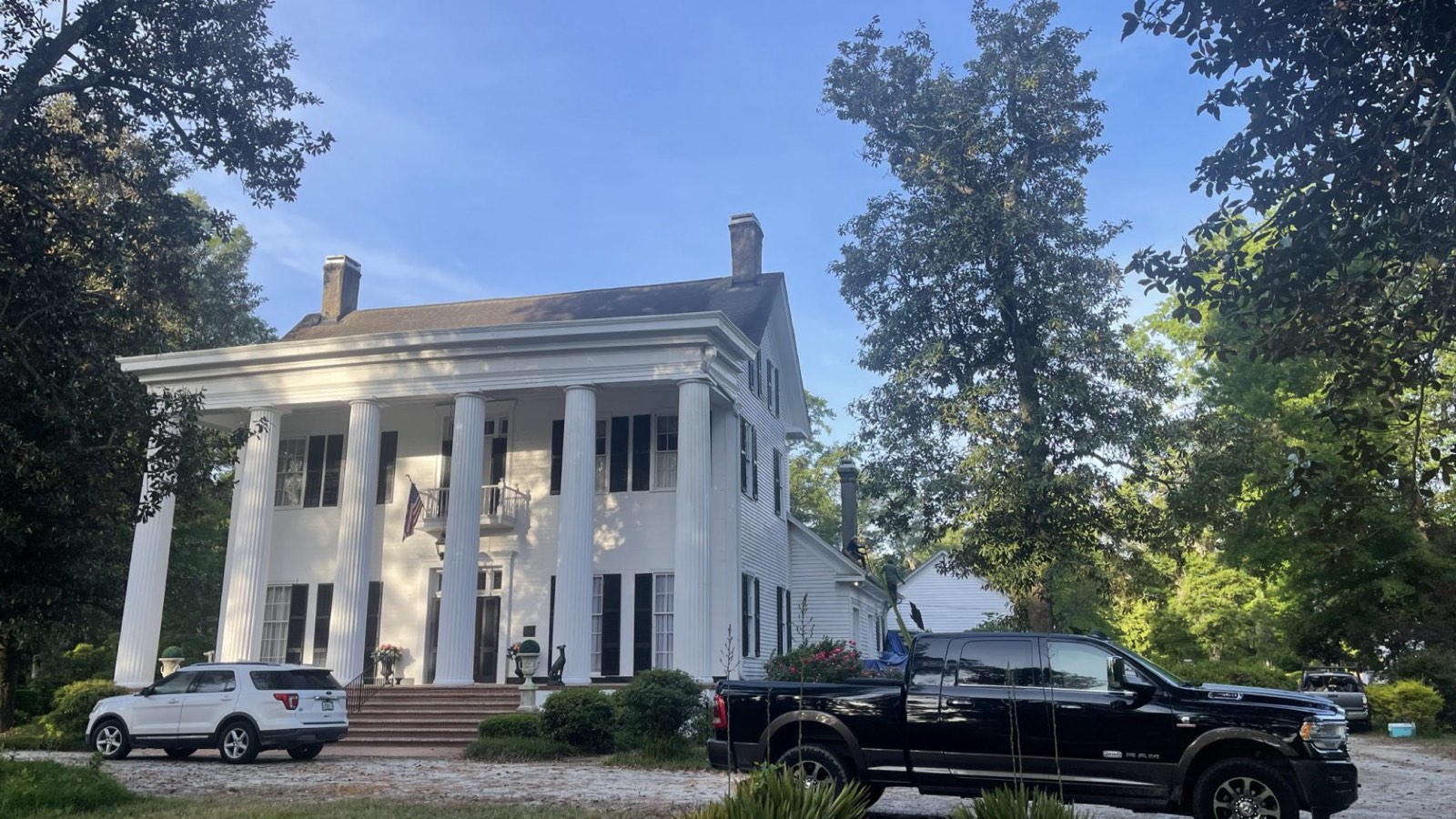
Real jobs, real CSRA addresses. Click any photo for a closer look.
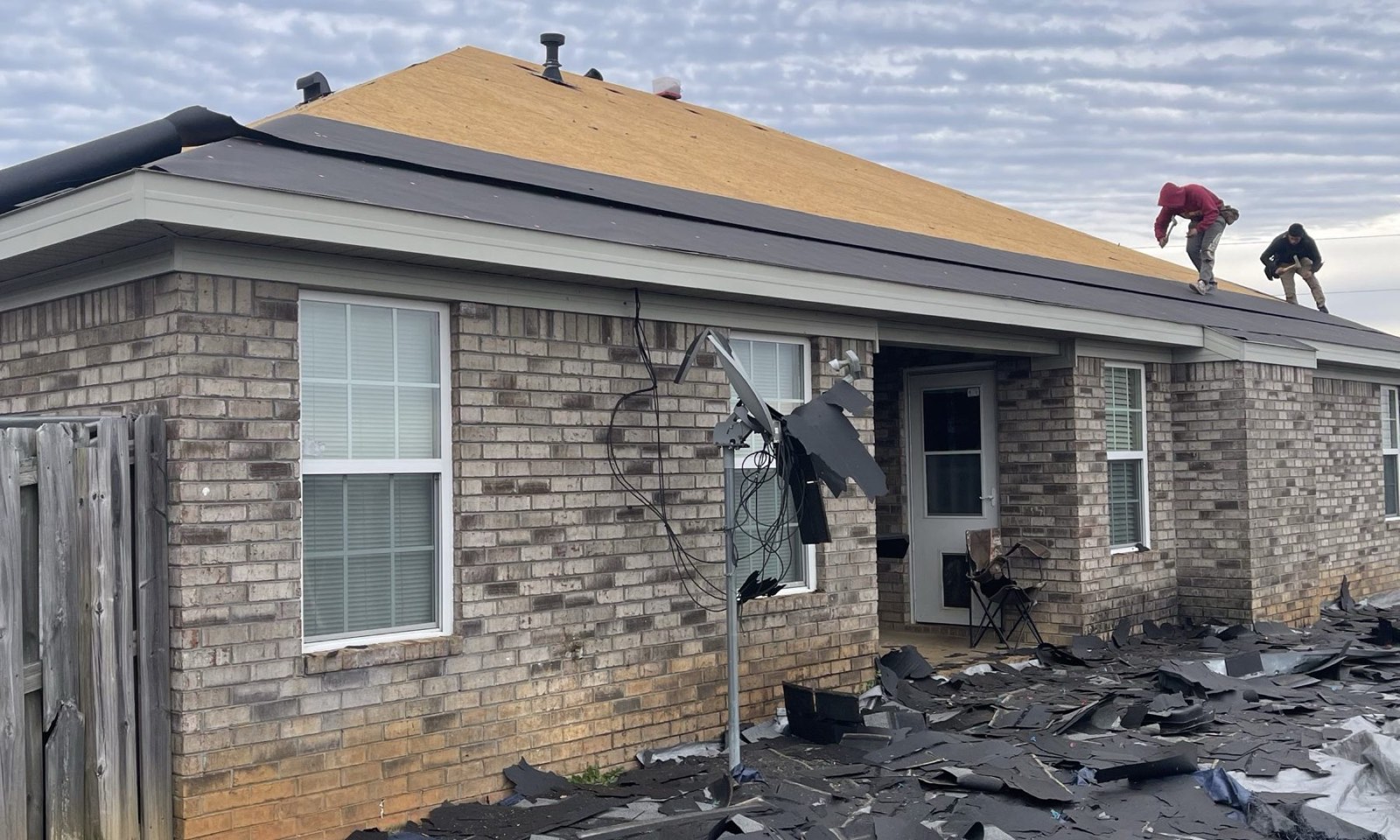
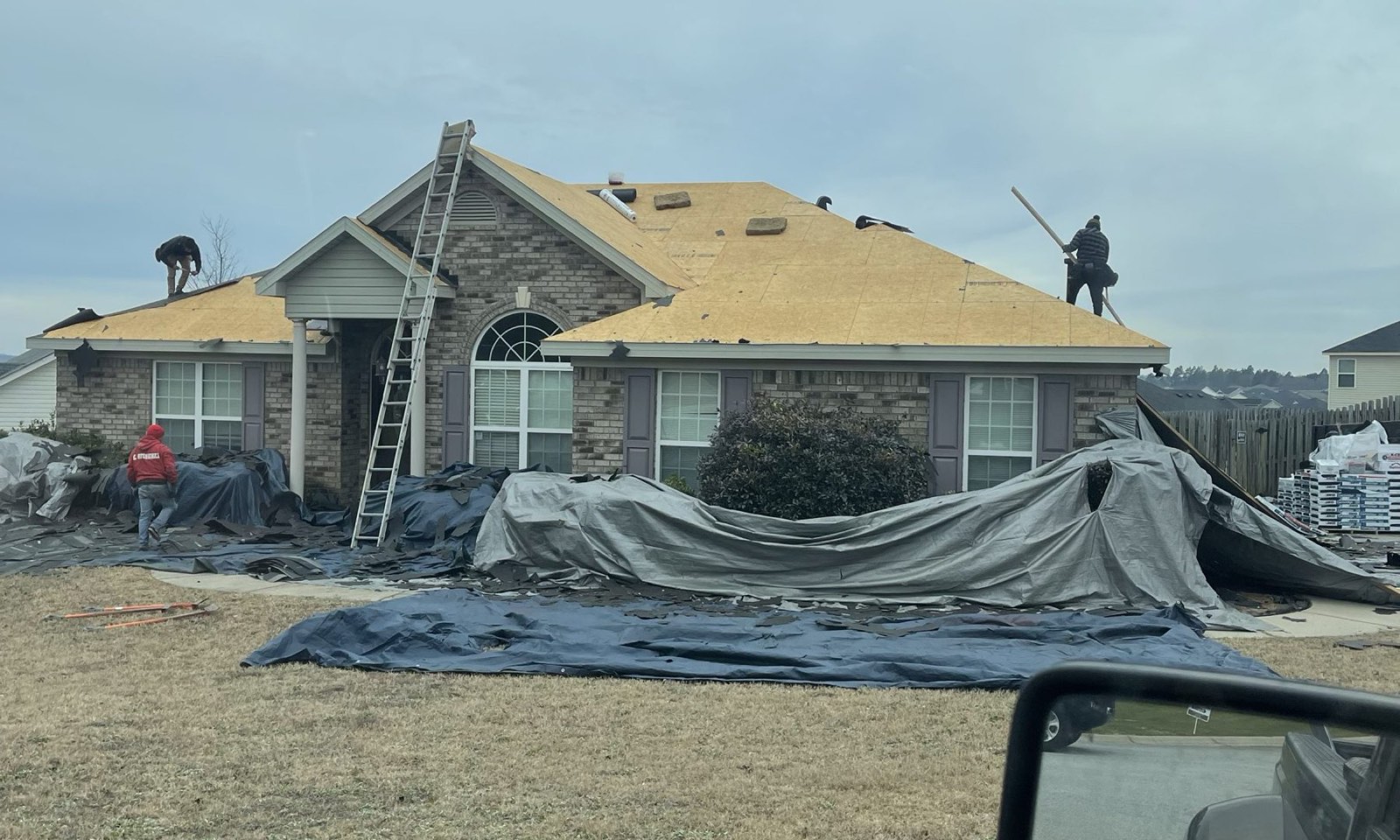
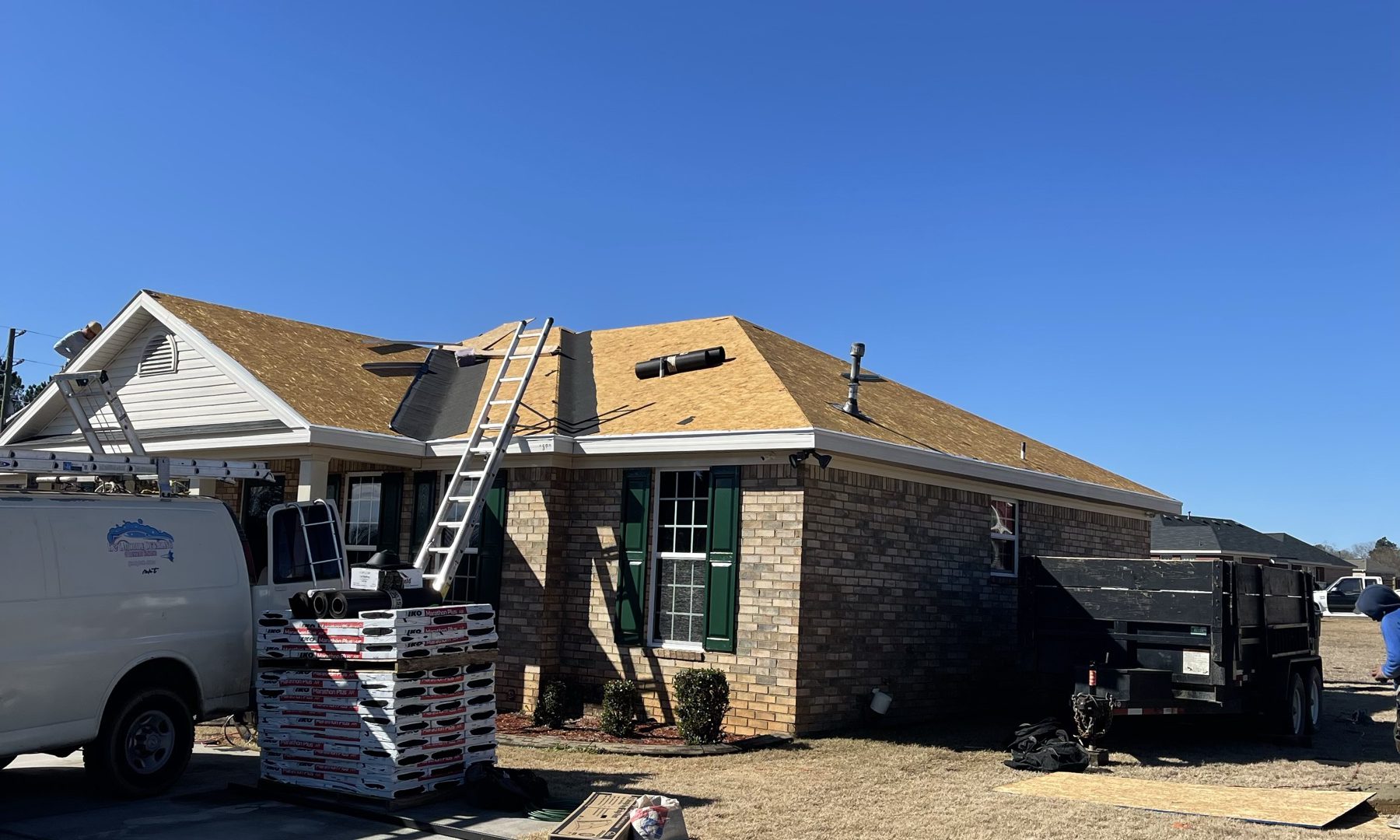
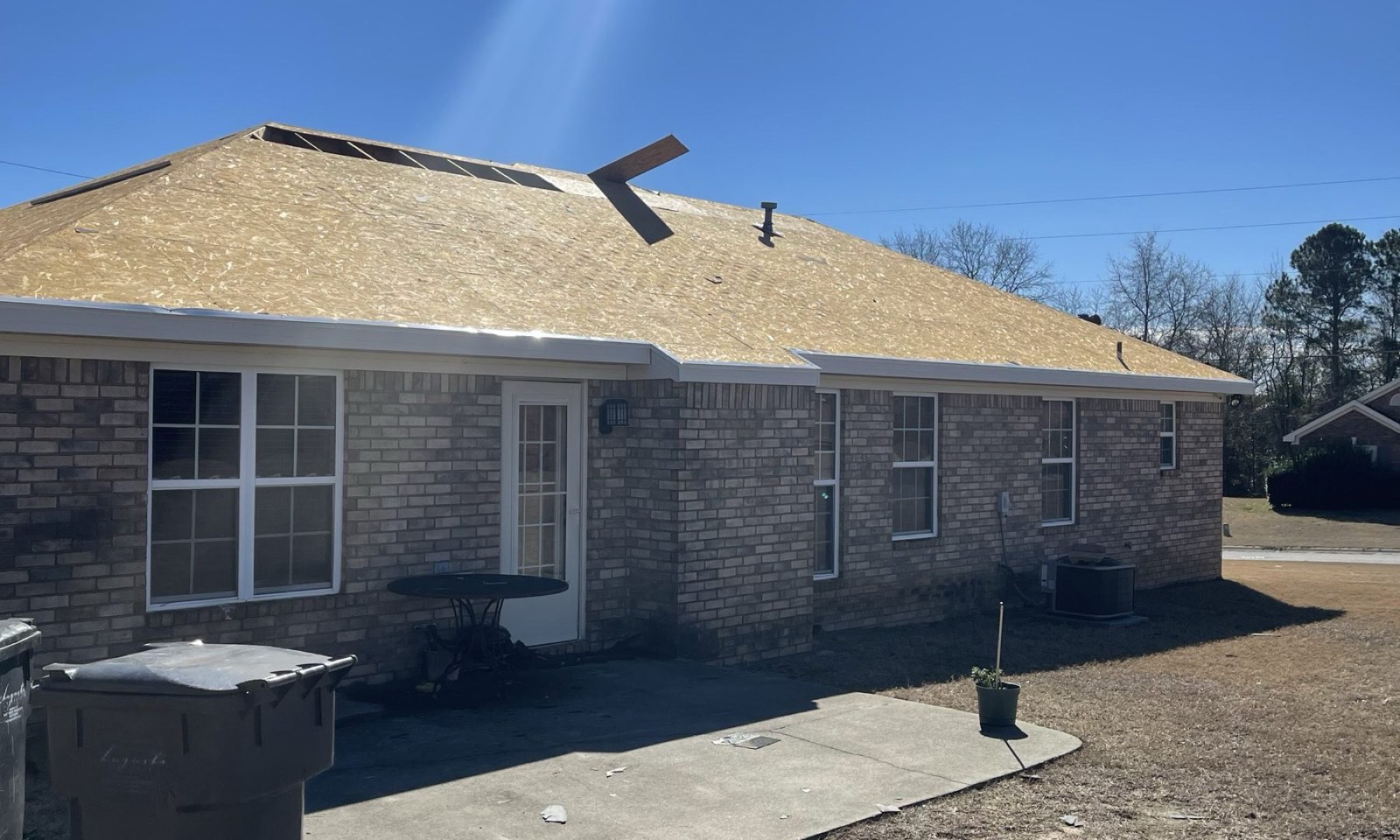
Roofer first, in almost every case. Filing a claim before anyone has walked the roof means opening it with no evidence and a guessed scope, and a claim filed for damage that turns out to be minor is on your record regardless. The free inspection settles what you're dealing with: real storm damage gets photographed and documented, and you file with the facts in hand. If it's not claim-worthy, you've spent nothing and learned that a modest repair covers it. Then, when the adjuster comes, we're on the roof with them.
This is common, and it's fixable without paying the gap yourself. The mechanism is a supplement: we document the items the scope missed, decking that can't be reused, flashing that has to be replaced, code-required components, and submit that evidence to your carrier for review. It's paperwork plus photographs, and it's part of the job, not an extra service. What we won't do is quietly shrink the work to fit a short scope; a roof built to the adjuster's misses instead of the roof's needs fails early, and the warranty on it is fiction.
Yes, and this is the most expensive misunderstanding in storm roofing. Wind-creased tabs, broken shingle seals, and lifted flashing rarely leak immediately; they leak when a later storm exploits them, sometimes a year or more on. By then the claim window may be closed. After any significant storm through Harlem, the move is a documented inspection while the damage is fresh and clearly attributable. Twenty minutes on the roof and a set of photos either clears your roof or preserves your claim. Both outcomes beat finding out later.
Four questions do most of the work. Where's your physical office? (An address you could drive to beats a cell number.) Are you licensed in Georgia, and can I verify the number? Will you provide a certificate of insurance naming your workers' comp carrier? And what happens with my deductible?, anything other than "you pay it, as the law requires" ends the conversation. A fifth, if you like: how long have you had your phone number? Ours says 2013.
Ready for storm damage & insurance restoration in Harlem?
Free inspection. Written report with photos. Zero obligation. That’s how we’ve done it in Harlem since 2013.
Thirty seconds now, a written report with photos after. No pressure, no sales script, that's the whole deal.
(706) 250-1859 Available 24/7, tap to call🔒 Your info stays with us, never sold, never shared. Answered by a real person in Aiken, not a call center.